



How to Gap Lawn Mower Spark Plugs for Optimal Engine Performance
As with any internal combustion engines, spark plugs are essential elements of a lawn mower. They play the same role, no matter the size or type of engine. Once fuel has been mixed with oxygen in the engine chamber or carburettor, the spark plug ignites the mixture by creating a small electric arc.


Summary
- As with any internal combustion engines, spark plugs are essential elements of a lawn mower. They play the same role, no matter the size or type of engine. Once fuel has been mixed with oxygen in the engine chamber or carburettor, the spark plug ignites the mixture by creating a small electric arc. This process must be smooth, not only for proper engine performance, but also to prevent misfiring that can create wear and tear on engine components, thus prolonging engine life.
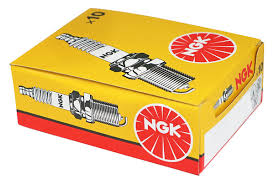
- JAK Max has leading expertise in all aspects of lawnmower maintenance, and we supply a range of lawn mower sparkplugs from top brands like Champion and NGK.
- Drawing on our extensive knowledge and experience, this guide will walk you through everything you need to know about how to gap lawn mower spark plugs for optimal engine efficiency and longevity.
What is a Lawnmower Spark Plug Gap?
The critical issue here is the lawnmower spark plug gap. This is the gap between the centre electrode and the ground electrode. It’s a tiny gap, but its size plays a critical role during ignition. It allows an electrical arc to connect the electrodes, thus igniting the oxygen and fuel mixture. By adjusting this electrode gap properly, you’ll get better overall small engine performance and ease of starting, as well as optimising fuel efficiency.
Conversely, an incorrect gapping can cause a number of issues, including difficulty with starting the lawnmower, misfiring and rough idling, plus increased fuel consumption combined with lower engine output.
Typically, the lawn mower spark plug gap should be set between 0.020 to 0.030 inches, varying according to the engine manufacturer’s specifications. You’ll find the correct electrode gap figures in your user manual. Major brands like Briggs & Stratton, Husqvarna, and Honda provide detailed recommendations for you to follow.
How To Gap Lawn Mower Spark Plugs (Step-by-Step Guide)
Here’s how to adjust your lawn mower spark plug gap to promote optimal performance, maintain fuel efficiency and prolong the life of small engine performance.
You’ll need the following tools:
- Safety gloves
- A clean cloth or wire brush
- A stable work surface or workbench
- A spark plug wrench
- An electrode gap gauge
Once everything is prepped, follow these steps:
Step 1: Remove the spark plug from its engine housing using the spark plug wrench. Do this carefully so as not to damage the spark plug or adjacent engine parts.
Step 2: Clean the spark plug, removing any oil deposits or carbon build-up. You can use the cloth or the wire brush for this, depending on the extent of the cleaning required.
Step 3: Measure the existing gap with the electrode gap gauge. Compare the distance between them with what’s recommended in your user manual to see how much it needs to be adjusted.
Step 4: If the gap is narrower than the manual recommendation, use the gauge tool to slowly and delicately bend the electrode outward to slightly increase the lawn mower spark plug gap. If the gap is wider than it should be, carefully tap the ground electrode on your work surface to reduce it. In both cases, doublecheck that the gap matches the supplier’s specifications after you’ve adjusted it.
Step 5: Screw the spark plug securely back into its place in the engine – make sure you don’t over-tighten it.
JAKMax Advice: Use a spark plug gap chart to accurately find and set the exact gap for your specific brand of lawn mower.
Spark Plug Maintenance Tips
All lawn mower engine parts need regular maintenance to sustain efficiency and extend engine life as long as possible. The same is true for even small components like spark plugs. Here’s how to conduct a spark plug maintenance check and deal with common issues.
Getting yourself a spark plug colour chart online will really help you to diagnose spark plug issues. The colour of the deposits left on spark plugs are a very good indication of their condition, and the corresponding maintenance to carry out. As a thumbnail guide:
- Light tan or grey deposits indicate that the spark plug gap is providing the ideal combustion.
- Sooty or black deposits indicate that the fuel mixture is too rich, or that there is excess fuel going to the engine. You can adjust this yourself if you know how, or simply bring it in to JAK Max for quick service.
- A white chalky build-up indicates the opposite – that the fuel mixture is too lean. It can also be a sign of engine overheating. Once again, you can tweak this yourself, or make a quick visit to the nearest Jak Max outlet in our extensive dealer network.
Other types of maintenance include replacing worn spark plugs, as the electrodes wear down over time, which compromises ignition and smooth engine running. Inspect the electrodes for wear, and replace with a new spark plug from. JAK Max is your ideal partner to provide high-quality spark plugs and other lawn mower parts and accessories.
Spark Plug Troubleshooting for Common Problems
Despite keeping to a regular maintenance schedule, you could still experience some typical issues as your lawn mower ages.
If your engine won’t start, there can be several reasons. First check that the spark plug isn’t wet or fouled with foreign deposits. If that doesn’t work, Follow the steps above to ensure that the lawn mower spark plug gap is correct. If that still doesn’t solve the problem, you’ll likely have to replace the spark plug.
If your engine is producing less power than normal, this could also indicate the electrode gap is incorrectly set, or that the plug itself is worn or compromised by debris. These will cause misfires. Inspect the spark plug for any kind of deposit build-up, and clean it. Then measure and adjust the gapping.
If your lawnmower’s fuel consumption is increasing, this could also be due to incorrect spark plug gapping.
Why Proper Spark Plug Gapping Matters for Small Engines
Maintaining an accurate lawn mower spark plug gap is essential to ensure smooth small engine performance. It provides efficient combustion, which helps reduce fuel usage and produces constant, efficient and dependable engine power. It also eliminates misfiring and helps prolong engine life by reducing stress on other engine components.
FAQs
How often should I check or adjust my lawn mower spark plug gap?
You should check your lawn mower spark plug gap at least once a season or every 25 hours of use. For heavy mowing or professional use, inspect more often to maintain smooth starting and fuel efficiency.
What happens if my spark plug gap is too wide or too narrow?
A gap that’s too wide can cause weak sparks, misfiring and hard starts. A gap that’s too narrow leads to poor combustion, reduced power and higher fuel use. Correct gapping ensures efficient ignition and engine performance.
Do new lawn mower spark plugs come pre-gapped?
Most new spark plugs are pre-gapped, but they may not match your mower’s exact specifications. Always measure and adjust the gap before installation to ensure proper engine performance.
Can I use the same spark plug for different lawn mower brands?
Not all spark plugs are universal. Some brands like Briggs & Stratton, Honda, and Husqvarna require specific spark plugs and gaps. Always check your owner’s manual or use a parts guide to confirm compatibility.
What tools do I need to gap a lawn mower spark plug?
You’ll need a spark plug wrench, an electrode gap gauge (or feeler gauge), and a clean cloth or brush. These tools let you remove, measure, clean and adjust the spark plug safely and accurately.
How do I know if my spark plug is bad and needs replacing?
Common signs of a bad spark plug include difficulty starting, rough idling, misfires, or increased fuel consumption. A fouled, corroded or worn electrode is another clear signal it’s time to replace it.
What is the correct spark plug gap for Briggs & Stratton / Honda / Husqvarna mowers?
Briggs & Stratton: 0.030 inches (0.76 mm)*
Honda: 0.028–0.031 inches (0.7–0.8 mm)*
Husqvarna: 0.020–0.030 inches (0.5–0.75 mm)*
*Always confirm with your owner’s manual for your exact model.
Can I clean and reuse a lawn mower spark plug?
Yes, you can clean light carbon deposits with a wire brush and reuse the spark plug if the electrodes are still in good condition. If the plug is cracked, heavily fouled or worn down, replace it instead.
How long do lawn mower spark plugs last?
On average, lawn mower spark plugs last about 100 hours of run time, or one mowing season. For heavy use, it’s recommended to replace them annually to keep the engine starting easily and running efficiently.
Conclusion
Regularly checking that you have the correct lawn mower spark plug gap ensures optimal engine performance, making your mower easier to start, improving fuel efficiency and helps to prevent other engine issues. JAK Max supplies everything you need, from new spark plugs to gap measurement gauges. We can supply all the required tools and offer expert guidance if you need it.
Take a proactive approach to spark plug gapping and keep your lawn mower at peak performance – contact JAK Max.
Featured products
Our featured selection highlights the must-have inventory for your business. These fast-moving parts, high-performance accessories, and key whole goods are currently in high demand among all our customers!



 IN STOCK
Filter – Suits CRT426, CRZ426
GREENWORKS – Filter – Suits CRT426, CRZ426
PART NUMBER
JMGW395
 IN STOCK
Air Filter – 503 4472-03
AIR FILTER- model 262 272 394
PART NUMBER
HU0119
 IN STOCK
Air Filter JM661 – suits Robin
Fits Models EY20 & W1-185. for 5 HP Horizontal Engines.
PART NUMBER
JM661
 IN STOCK
Fuel & Oil Cap
FUEL & OIL CAP SET- model 029,MS380,MS381
PART NUMBER
ST0584
IN STOCK
Greenworks 82V – Ball Pin I, Steering Knuckle Arm
Greenworks 82V – Ball Pin I, Steering Knuckle Arm
PART NUMBER
JMGW783
 OUT OF STOCK
RATO – BREAKER, SINGLE-POLE CIRCUIT – suits R8000iE – Inverter Generators
PART NUMBER
JMRT1963
Related articles


How to Choose the Right Brush Cutter in Australia – and Keep It Running with Quality Spare Parts
With our varied terrain, the matter of how to choose the right brush cutter in Australia isn’t as straightforward as…

How to Sharpen a Chainsaw Like a Pro (With Tools You Can Trust)
Chainsaws cut cleanly – if they’re sharp. To get the best performance out of yours, you need to know how…

How to Replace Your Trimmer Line: A Clear Guide for Aussie Gardeners
A whipper snapper is one of the best garden inventions ever. It’s extremely handy for all kinds of jobs, from…

How To Replace a Lawn Mower Blade: A Practical Guide for Aussie Homeowners
You might think that lawn mower blade replacement is a complicated affair, but it’s actually pretty simple to change a…

What Type of Oil Should You Use in a Lawn Mower?
It’s essential to choose the right lawn mower oil type to maintain optimal performance and longevity, and reduce the risk…
Ultimate Guide to Buy a Log Splitter (Australia)
A log splitter is the best tool for efficiently processing wood, with a range of power choices, depending on your…